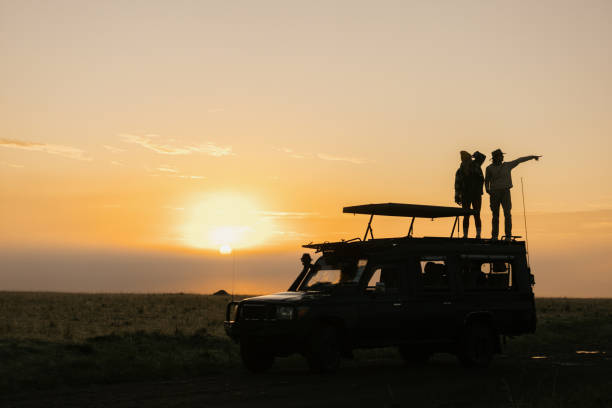
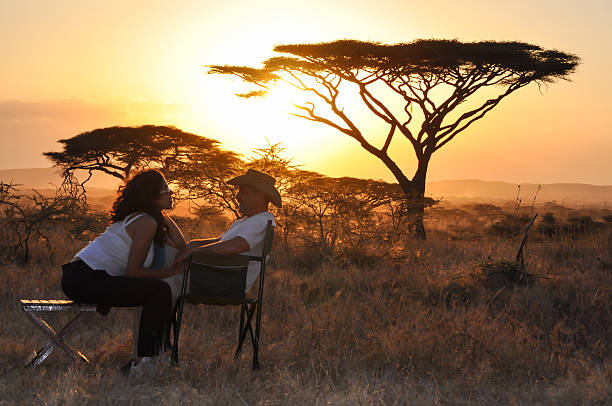
A safari in Tanzania is an unforgettable adventure, offering the chance to witness the Big Five, the Great Migration, and stunning landscapes in Serengeti, Ngorongoro, Tarangire, and beyond. But the quality of your experience depends largely on your safari guide.
Choosing the right safari guide ensures safety, wildlife spotting, cultural insight, and a seamless experience. This guide explains everything you need to know to select the best safari guide in Tanzania, including qualifications, experience, cost, and tips for finding a trustworthy guide.
1. Why a Safari Guide Is Essential in Tanzania
Tanzania’s wildlife parks are vast and often challenging to navigate. A professional safari guide:
Knows wildlife behavior and where to spot animals.
Ensures your safety during game drives.
Handles logistics, including park permits, vehicle navigation, and accommodations.
Provides cultural insights about local tribes and Tanzanian history.
Maximizes your safari experience, making the most of limited time.
Without a guide, visitors risk missing key wildlife sightings, entering restricted areas, or facing safety hazards.
2. Types of Safari Guides in Tanzania
When choosing a guide, it’s important to understand the different types:
a) Licensed Tour Guides
Certified by the Tanzania Tourist Board (TTB).
Legally allowed to operate in national parks.
Well-trained in wildlife, safety, and first aid.
b) Private Guides
Hired directly through lodges, safari operators, or independently.
Offer personalized experiences but may be more expensive.
Best for travelers seeking luxury or custom itineraries.
c) Group or Shared Guides
Lead group safaris with multiple travelers in one vehicle.
Cost-effective and social.
May offer less personalized attention.
3. Key Qualifications of a Great Safari Guide
When evaluating potential guides, look for:
Tanzania Tourist Board License: Legally required for park access.
Experience: At least 5–10 years in safari guiding ensures deeper knowledge of wildlife behavior.
First Aid Training: Essential for handling emergencies in remote parks.
Language Skills: English is standard; guides who speak multiple languages are helpful for international travelers.
Vehicle & Equipment Knowledge: Ability to drive 4x4s safely, handle breakdowns, and maintain communication tools.
Passion & Communication: A guide should be friendly, patient, and enthusiastic about wildlife.
Tip: Ask for references or reviews from previous clients. Experienced guides often have a strong online reputation.
4. How to Choose the Right Safari Guide
Here’s a step-by-step process for finding the best safari guide in Tanzania:
Step 1: Research Licensed Operators
Use Tanzania Safari Operators licensed by TTB or associations such as TALA or TATO. Avoid unregistered guides, as they may lack legal permission to enter parks.
Step 2: Check Reviews & Testimonials
TripAdvisor, SafariBookings.com, and Google reviews are valuable.
Look for consistent positive feedback about wildlife spotting, professionalism, and safety.
Step 3: Ask About Experience & Knowledge
How long have they been guiding?
Which parks are they most familiar with?
Can they identify animals, birds, and plants?
Step 4: Discuss Safari Style
Budget, mid-range, or luxury?
Private vehicle or group safari?
Specialized experiences like photography safaris or cultural tours?
Step 5: Clarify Costs and Inclusions
Daily rate or total package cost
Vehicle, fuel, park fees, accommodation
Tips and optional activities
Tip: The cheapest guide may not provide the best experience. Balance cost with quality and experience.
5. Red Flags to Avoid
No TTB license or proper identification.
Guides with limited local knowledge or poor reviews.
Unclear pricing or hidden charges.
Guides who pressure you into unnecessary excursions or souvenirs.
Poor communication before the safari.
6. Benefits of Hiring a Professional Safari Guide
Better Wildlife Sightings: Experienced guides know where animals are and how to approach without disturbing them.
Safety First: Avoid dangerous situations with wildlife, river crossings, and rough terrain.
Local Knowledge: Learn about Maasai culture, plant species, and conservation efforts.
Stress-Free Logistics: From park entry to accommodation, your guide handles all planning.
Photography Assistance: Guides know the best angles, lighting, and timing for animal photography.
7. Average Costs for Safari Guides in Tanzania
The cost of a safari guide depends on experience, duration, and safari type:
| Guide Type | Cost per Day (USD) | Notes |
|---|---|---|
| Licensed Shared Guide | $40–$80 | For group safaris |
| Private Guide (Budget) | $70–$150 | Small groups or families |
| Luxury Private Guide | $150–$300+ | Exclusive, fully customized safaris |
Tip: Some guides include vehicle, park fees, and accommodation; clarify to avoid surprises.
8. Working With Your Safari Guide
To maximize your safari experience:
Communicate Interests: Mention wildlife you hope to see or photography preferences.
Follow Instructions: Stay in the vehicle, keep voices low, and obey park rules.
Ask Questions: Guides love sharing knowledge about animals, culture, and conservation.
Respect the Guide’s Expertise: They know the parks and safety protocols best.
9. Where to Find the Best Safari Guides
Tour Operators & Lodges: Most reputable lodges in Arusha, Serengeti, Ngorongoro, Tarangire, and Zanzibar can recommend guides.
Safari Booking Platforms: Websites like SafariBookings.com or TripAdvisor connect you with licensed guides.
Referrals: Ask friends or travel communities for recommended guides.
Tip: Always confirm TTB license and insurance before hiring a guide.
10. Final Thoughts – Choosing the Right Safari Guide
A Tanzania safari is once-in-a-lifetime, and your guide can make or break the experience. Choosing a licensed, experienced, and passionate safari guide ensures:
Maximum wildlife sightings
Safety in remote parks
Cultural insights and knowledge
Seamless logistics from start to finish
Remember, investing in a good guide is investing in the quality of your safari adventure.