
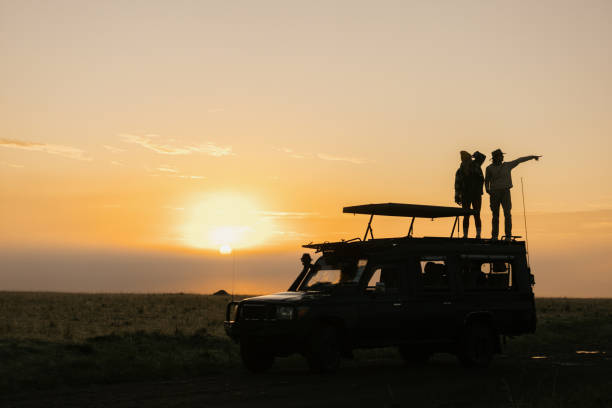
For wildlife photographers and travel enthusiasts, a photography safari in Tanzania offers some of the most stunning and diverse photographic opportunities in the world. Tanzania’s parks and reserves are home to vast herds of animals, dramatic landscapes, and iconic moments such as the Great Wildebeest Migration, lion hunts, and elephant herds at watering holes. Planning a photography safari in Tanzania requires careful timing, knowledge of the best parks, understanding animal behavior, and technical preparation.
This comprehensive guide covers everything you need to know about photography safari in Tanzania: best parks & tips, including top locations, seasonal considerations, camera gear, practical advice, and insider tips to capture extraordinary wildlife photographs.
Why Choose a Photography Safari in Tanzania?
Tanzania is a world-class photography destination for several reasons:
1. Iconic Wildlife
Serengeti: lions, leopards, cheetahs, and migration herds
Ngorongoro Crater: dense wildlife in a compact area
Tarangire: elephants and birdlife
2. Dramatic Landscapes
Endless savannahs
Waterholes and rivers
Volcanic mountains and crater backdrops
3. Great Migration Opportunities
River crossings and calving season
Thousands of wildebeest and zebras on the move
Predator-prey interactions
4. Year-Round Photography Possibilities
Different seasons offer distinct photographic moods
Dry season: clear skies, golden light
Green season: lush landscapes and dramatic clouds
Best Parks for Photography Safari in Tanzania
1. Serengeti National Park
The Serengeti is the crown jewel for photography safaris in Tanzania.
Wildlife Highlights: Big cats, elephants, zebras, wildebeest, and cheetahs
Best Time for Photos: June–October (dry season), January–March (calving season)
Photography Tips: Early morning or late afternoon for golden light, stay near migration corridors for dramatic shots
2. Ngorongoro Crater
A compact, natural amphitheater offering dense wildlife opportunities.
Wildlife Highlights: Lions, rhinos, elephants, buffalo, flamingos in seasonal lakes
Best Time for Photos: Year-round, but dry season ensures clearer skies and better visibility
Photography Tips: Use wide-angle lenses for dramatic crater landscapes, telephoto for wildlife
3. Tarangire National Park
Known for large elephant herds and scenic baobab trees.
Wildlife Highlights: Elephants, giraffes, lions, and migratory birds
Best Time for Photos: June–October
Photography Tips: Capture elephants against sunsets or near riverbeds, use zoom lenses for bird photography
4. Lake Manyara National Park
Ideal for bird photography and tree-climbing lions.
Wildlife Highlights: Flamingos, pelicans, baboons, and lions
Best Time for Photos: November–April for bird diversity, dry season for lion behavior
Photography Tips: Focus on reflections in water, wide-angle for landscape compositions
5. Selous Game Reserve (Nyerere National Park)
Remote wilderness with fewer tourists, ideal for authentic shots.
Wildlife Highlights: Elephants, hippos, crocodiles, wild dogs, and rare antelopes
Best Time for Photos: June–October for easier access, dry-season light
Photography Tips: Boat photography for hippos and crocodiles, low-angle shots for dramatic effect
6. Ruaha National Park
Tanzania’s largest park offers untamed landscapes and remote photography opportunities.
Wildlife Highlights: Elephants, lions, cheetahs, and wild dogs
Best Time for Photos: June–October
Photography Tips: Capture wildlife against vast savannah backdrops, use telephoto lenses for distance shots
Seasonal Considerations for Photography Safari in Tanzania
Timing affects both wildlife activity and photographic conditions.
Dry Season (June–October)
Clear skies and long shadows
Animals gather near water sources
Easier road access and fewer muddy tracks
Green Season (November–May)
Lush landscapes, vibrant greenery
Dramatic skies with clouds
Bird diversity peaks
Roads may be muddy, affecting vehicle movement
Migration Photography
January–March: Calving season in southern Serengeti (Ndutu)
June–July: Herd movement to western Serengeti
August–September: Mara River crossings (northern Serengeti)
Planning according to your target subjects ensures the best photos.
Camera Gear and Technical Tips
A photography safari requires preparation and the right gear:
Essential Equipment
DSLR or mirrorless camera with fast autofocus
Lenses: telephoto (300–600mm), wide-angle (16–35mm), zoom (70–200mm)
Extra batteries and memory cards
Tripod or monopod for stability
Photography Techniques
Early morning and late afternoon for soft golden light
Use low ISO to avoid grain, unless shooting in dim conditions
Capture wildlife behavior, not just poses
Include landscapes to contextualize animal shots
Safari Vehicle Photography Tips
Even though the focus is on photography, understanding how to use your vehicle is important.
Open-top safari vehicles provide unobstructed views
Sit on the side facing the sun for better light
Keep the vehicle engine off for quieter wildlife encounters
Move slowly to avoid startling animals
Walking Photography Safari Tips
For parks offering walking safaris (Selous, Ruaha):
Stay close to guides for safety
Focus on small details: tracks, insects, flora, and birds
Use macro or mid-range zoom lenses
Be patient and observe subtle wildlife behavior
Practical Travel Tips for Photography Safari in Tanzania
Book in Advance: Peak season requires early booking for lodges and guides.
Stay Flexible: Wildlife movement is unpredictable.
Hire a Professional Guide: Experienced guides know where and when to find animals.
Plan for Early Mornings: Wildlife is most active at dawn.
Carry Backup Gear: Dust, humidity, and long drives can affect cameras.
Respect Wildlife: Always maintain safe distances and follow guide instructions.
Budget Considerations
Photography safaris can vary from mid-range to luxury, depending on:
Number of parks visited
Type of accommodation (camping, lodge, luxury tented camp)
Private vs group safari
Duration (3 days, 5 days, 7+ days)
For budget travelers:
Focus on 1–2 parks
Consider shared safari vehicles
Travel during shoulder seasons for discounts
Combining Photography Safari With Other Experiences
Tanzania allows combining wildlife photography with:
Great Migration Safari: Capture river crossings and predator-prey action
Cultural Photography: Maasai villages, local tribes, and landscapes
Bird Photography: Lake Manyara and Selous
Landscape Photography: Mount Kilimanjaro or Ngorongoro Crater views
This adds diversity and depth to your portfolio.
FAQs: Photography Safari in Tanzania
1. Which is the best park for photography safari in Tanzania?
The Serengeti is the top choice, followed by Ngorongoro Crater, Tarangire, Ruaha, Selous, and Lake Manyara.
2. When is the best time for photography safari in Tanzania?
Dry season (June–October) for clear skies and animal concentration
Green season (November–May) for lush landscapes and bird diversity
3. Do I need professional guides for photography safari?
Yes. Experienced guides help locate wildlife and ensure safety, especially for walking or remote safaris.
4. What camera gear should I bring?
DSLR or mirrorless camera
Telephoto lens (300–600mm)
Wide-angle lens (16–35mm)
Extra batteries, memory cards, and tripod
5. Are photography safaris suitable for beginners?
Absolutely. Guides can help beginners with positioning, light, and composition tips.
6. Can I combine photography safari with other activities?
Yes. Maasai cultural visits, mountain photography, and birding excursions can be included.
7. Are photography safaris expensive?
Costs vary by park, duration, accommodation, and group size. Budget options are available, especially during shoulder seasons.
Final Thoughts: Maximize Your Photography Safari in Tanzania
A photography safari in Tanzania is a dream trip for wildlife and landscape photographers. From the iconic Serengeti plains and Ngorongoro Crater to lush green landscapes and dramatic migration moments, Tanzania offers endless photographic opportunities. With careful planning, the right timing, experienced guides, and proper gear, your photography safari can result in stunning images and unforgettable memories.
Whether you are a professional photographer or an enthusiastic hobbyist, a photography safari in Tanzania should be on every wildlife lover’s bucket list.