
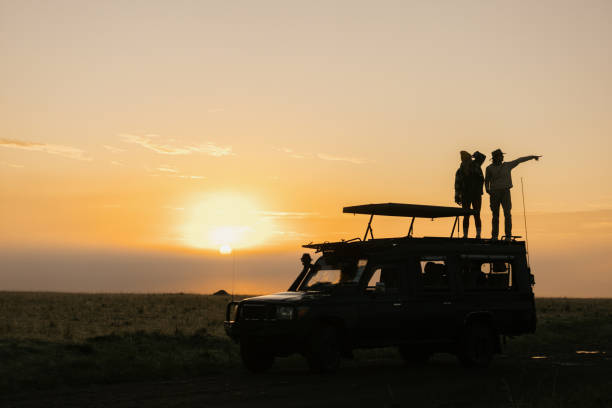
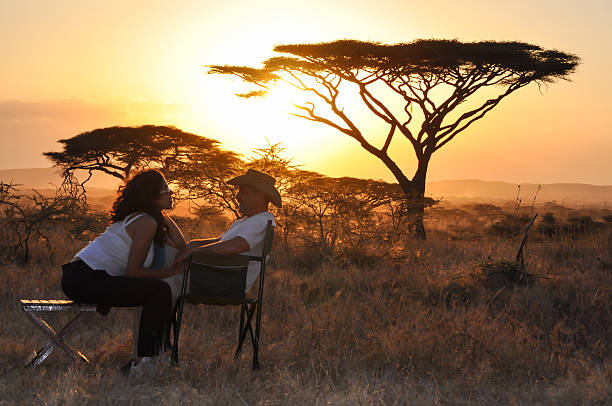
A Tanzania safari in dry season is considered the best choice for many travelers because of excellent wildlife viewing, comfortable weather, and easy travel conditions. The dry season offers some of the most reliable safari experiences in Africa, making it ideal for first-time visitors and experienced safari travelers alike.
Tanzania’s dry season usually runs from June to October, with a shorter dry period in January and February. During this time, animals gather around water sources, vegetation is thinner, and visibility is excellent. This guide explains everything you need to know about planning a Tanzania safari in dry season, including wildlife behavior, park conditions, costs, and travel advice.
Understanding the Dry Season in Tanzania
To fully understand a Tanzania safari in dry season, it is important to know how the season affects wildlife and travel.
Main Dry Season
June to October
Cooler temperatures
Almost no rainfall
Short Dry Season
January to February
Warm weather
Clear skies
Both periods offer great safari opportunities, but the main dry season is more popular.
Why Choose a Tanzania Safari in Dry Season?
There are several reasons why many travelers prefer a Tanzania safari in dry season.
Excellent Wildlife Viewing
Animals gather near rivers and waterholes
Short grass improves visibility
Predator sightings increase
Comfortable Weather
Cool mornings and evenings
Warm but not extreme daytime temperatures
Low humidity
Easy Travel Conditions
Roads are dry and accessible
Game drives are smoother
Camps and lodges are fully operational
Best Parks for Tanzania Safari in Dry Season
Serengeti National Park
The Serengeti is outstanding during a Tanzania safari in dry season.
Large predator populations
Excellent plains visibility
Migration movement in northern regions during late dry season
Ngorongoro Crater
High concentration of wildlife year-round
Easier animal spotting during dry months
Cooler temperatures due to elevation
Tarangire National Park
Tarangire is one of the best parks during a Tanzania safari in dry season.
Large elephant herds
Wildlife gathers along the Tarangire River
Fewer crowds than Serengeti
Lake Manyara National Park
Dry season improves visibility
Ideal for short safaris
Birdlife remains strong
Tanzania Safari in Dry Season and the Great Migration
The dry season plays a major role in the Great Wildebeest Migration.
June to July
Herds move toward western Serengeti
Grumeti River crossings begin
August to September
Migration reaches northern Serengeti
Mara River crossings occur
Peak safari excitement
This makes the dry season a top choice for migration-focused safaris.
Wildlife Behavior During Dry Season
During a Tanzania safari in dry season, animal behavior becomes more predictable.
Predators
Lions, leopards, and cheetahs are easier to spot
Hunting activity increases
Animals spend more time in open areas
Herbivores
Large herds of wildebeest, zebras, and buffalo
Concentration near water sources
Easier tracking during game drives
Weather Conditions During Tanzania Safari in Dry Season
Temperatures
Morning: cool (10–15°C in some areas)
Afternoon: warm (25–30°C)
Evenings: cool to cold in highland areas
Rainfall
Minimal to none
Clear skies dominate
The stable weather is one of the main advantages of a Tanzania safari in dry season.
Crowds and Safari Experience
The dry season is also the busiest safari period.
Peak Months
July, August, September
What This Means
More safari vehicles in popular parks
Higher accommodation prices
Need for advance booking
Travelers seeking fewer crowds may consider early June or October.
Costs and Budget Considerations
A Tanzania safari in dry season is generally more expensive than in the wet season.
Why Prices Are Higher
High demand
Peak travel months
Limited lodge availability
However, the quality of experience often justifies the cost.
Best Time for Photography During Dry Season
Photographers benefit greatly from a Tanzania safari in dry season.
Photography Advantages
Clear light
Less vegetation blocking views
Dramatic wildlife interactions
Early mornings and late afternoons provide golden light conditions.
What to Pack for a Tanzania Safari in Dry Season
Packing correctly enhances comfort.
Recommended Items
Light safari clothing
Warm jacket for mornings
Dust protection (scarf, sunglasses)
Sunscreen and hat
Dust is common during dry months, so protection is important.
Tanzania Safari in Dry Season vs Wet Season
Dry Season Advantages
Better wildlife visibility
Comfortable weather
Reliable road access
Wet Season Advantages
Lower prices
Fewer tourists
Greener landscapes
Both seasons offer unique benefits, but the dry season is more predictable.
Best Travelers for Tanzania Safari in Dry Season
A Tanzania safari in dry season is ideal for:
First-time safari travelers
Wildlife photographers
Families
Great Migration followers
The ease of travel makes it suitable for all age groups.
Final Thoughts: Is Tanzania Safari in Dry Season Worth It?
A Tanzania safari in dry season offers some of the best wildlife viewing conditions in Africa. From the Great Migration to large predator sightings and comfortable travel conditions, the dry season delivers a high-quality safari experience.
While prices and crowds are higher, the reliability and richness of the experience make it worth the investment. With proper planning and early booking, a Tanzania safari in dry season can be the trip of a lifetime.