
Tanzania Safari in Green Season: Complete Guide to Wildlife, Weather, and Travel Benefits
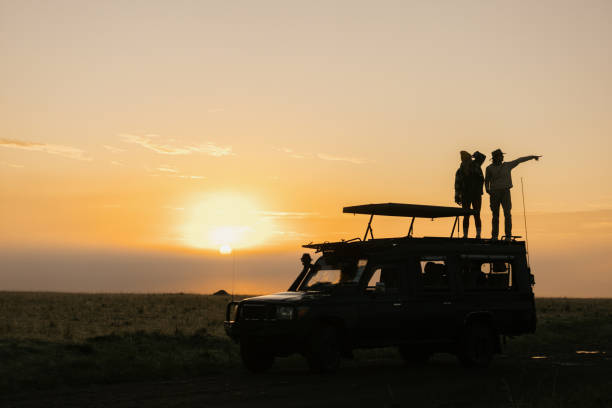
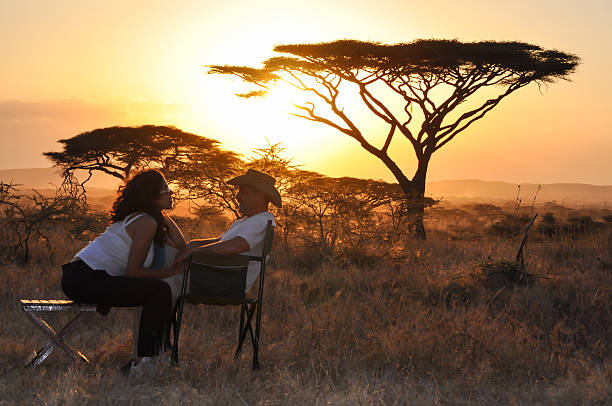
A Tanzania safari in green season offers a very different experience from the dry season. While many travelers focus on peak months, the green season provides lush landscapes, fewer crowds, lower prices, and unique wildlife behavior that cannot be seen at other times of the year.
The green season in Tanzania usually runs from November to May, with a short dry break in January and February. During this period, the country transforms into vibrant green plains, rivers refill, and wildlife spreads across the parks. This guide explains in detail what to expect during a Tanzania safari in green season, including wildlife viewing, weather patterns, photography, costs, and who this season is best for.
Understanding the Green Season in Tanzania
To fully appreciate a Tanzania safari in green season, it is important to understand how the season is structured.
Short Rains (November to December)
Light and scattered rainfall
Refreshes landscapes
Excellent safari conditions remain
Short Dry Period (January to February)
Warm and dry weather
Clear skies
High wildlife activity
Long Rains (March to May)
Heavier rainfall
Lush vegetation
Fewer tourists
The green season is not constant rain but a mix of sunshine, clouds, and rainfall.
Why Choose a Tanzania Safari in Green Season?
There are many reasons travelers choose a Tanzania safari in green season over the dry season.
Lower Safari Costs
Accommodation prices drop significantly during the green season.
Discounts of 20–40%
Better value for longer safaris
More affordable private safaris
This makes the green season ideal for budget-conscious travelers.
Fewer Tourists and Quieter Parks
One of the biggest advantages of a Tanzania safari in green season is fewer crowds.
Less traffic at wildlife sightings
More peaceful game drives
Better interaction with guides
This allows for a more personal and relaxed safari experience.
Beautiful Green Landscapes
The green season brings Tanzania’s scenery to life.
Fresh grasslands
Flowing rivers
Dramatic skies
For many travelers, this is the most visually appealing time of year.
Wildlife Viewing During Tanzania Safari in Green Season
Wildlife is present year-round in Tanzania, but animal behavior changes during the green season.
Herbivores
Spread across wider areas due to abundant grass
Large herds still visible
Excellent grazing conditions
Predators
Lions, cheetahs, and leopards remain active
Hunting increases around calving areas
Young animals attract predators
Although wildlife may be more spread out, sightings are still rewarding.
Tanzania Safari in Green Season and the Great Migration
The green season is especially important for the Great Wildebeest Migration.
January to March: Calving Season
Southern Serengeti and Ndutu area
Thousands of calves born daily
Intense predator activity
This is one of the best times for dramatic wildlife scenes.
April to May: Movement Begins
Herds start moving northwest
Lush plains dominate the scenery
Fewer safari vehicles
This period offers quieter migration viewing.
Weather Conditions During Tanzania Safari in Green Season
Weather is a key factor when planning a Tanzania safari in green season.
Temperature
Warm days (25–30°C)
Mild mornings and evenings
Humidity increases during long rains
Rainfall Patterns
Rain usually falls in short bursts
Rarely rains all day
Safari activities continue as normal
Most lodges and vehicles are well prepared for rain.
Best Parks for Tanzania Safari in Green Season
Serengeti National Park
Outstanding during calving season
Lush plains and large herds
Fewer visitors in central areas
Ngorongoro Crater
Wildlife present year-round
Green vegetation enhances scenery
Slight mist adds atmosphere
Tarangire National Park
Less crowded than dry season
Beautiful landscapes
Excellent birdlife
Lake Manyara National Park
Best birdwatching season
Flamingos and water birds increase
Forests look their best
Birdwatching During Tanzania Safari in Green Season
The green season is the best time for birdwatching.
Migratory birds arrive
Bright breeding plumage
Over 1,100 bird species visible
For bird lovers, this is the perfect safari season.
Photography Benefits in the Green Season
Photographers often prefer a Tanzania safari in green season.
Photography Advantages
Soft natural light
Rich green backgrounds
Dramatic cloud formations
Calving season offers rare opportunities to capture newborn wildlife and predator behavior.
Road Conditions and Travel Considerations
Road Conditions
Some dirt roads become muddy
Skilled drivers handle conditions safely
Main safari routes remain accessible
Travel Tips
Use experienced safari operators
Allow extra travel time
Choose lodges with good access roads
Planning properly reduces any inconvenience.
What to Pack for a Tanzania Safari in Green Season
Packing correctly improves comfort.
Essential Items
Lightweight rain jacket
Quick-dry clothing
Waterproof shoes
Insect repellent
Despite rain, most days are warm and pleasant.
Tanzania Safari in Green Season vs Dry Season
Green Season Advantages
Lower prices
Fewer tourists
Lush scenery
Calving season
Green Season Challenges
Muddy roads
Wildlife more dispersed
Occasional rain
Both seasons offer excellent safaris, but green season is more relaxed and budget-friendly.
Who Should Choose a Tanzania Safari in Green Season?
A Tanzania safari in green season is ideal for:
Budget travelers
Photographers
Birdwatchers
Repeat safari visitors
Travelers seeking quieter parks
First-time visitors can also enjoy green season with proper planning.
Final Thoughts: Is Tanzania Safari in Green Season Worth It?
A Tanzania safari in green season offers rich scenery, unique wildlife experiences, and excellent value for money. While it requires a bit more flexibility, the rewards include fewer crowds, dramatic landscapes, and unforgettable moments such as calving season in the Serengeti.
For travelers who value quality, atmosphere, and cost savings, the green season is an outstanding time to visit Tanzania.