
Tanzania Safari Tips for First-Time Visitors – Complete Guide for an Unforgettable Safari
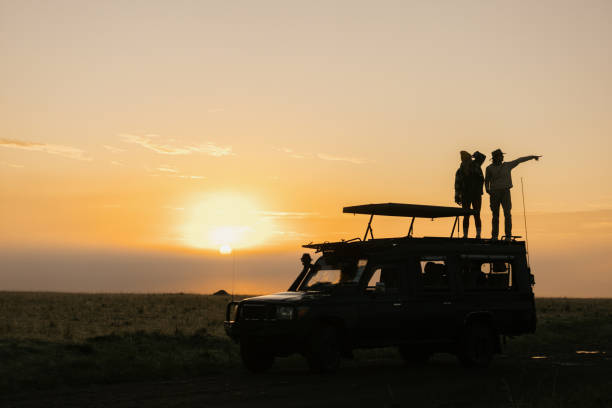
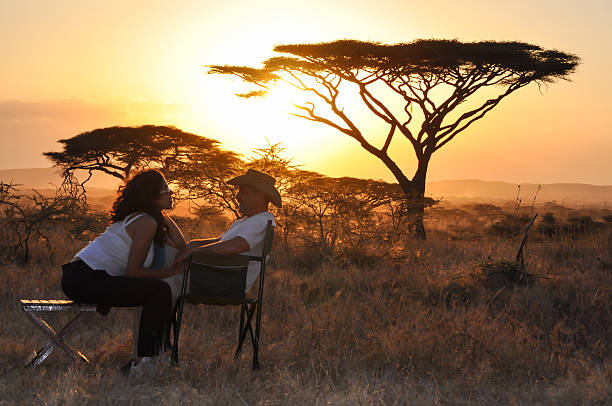
Tanzania is one of the most popular safari destinations in the world, offering an incredible combination of wildlife, landscapes, and cultural experiences. For first-time visitors, planning a safari can be both exciting and overwhelming. From deciding which parks to visit, choosing the best time of year, and understanding safari costs, to packing the right clothes and preparing for safety, there are many factors to consider. This guide provides detailed tips and advice for first-time safari travelers to help make their trip smooth, enjoyable, and memorable. Whether you are visiting the Serengeti, Ngorongoro Crater, Tarangire, or Lake Manyara, these tips will help you get the most out of your safari experience in Tanzania.
1. The Best Time to Visit Tanzania
Choosing the right time to go on safari affects the quality of your experience. Tanzania has two main seasons that influence wildlife sightings, weather conditions, and park accessibility.
Dry Season (June to October)
The dry season is generally considered the best time for wildlife viewing.
Wildlife: Animals gather around waterholes, making them easier to spot.
Photography: Short vegetation allows for clearer views and better photos.
Migration: This is the time when the Great Migration often crosses rivers in the Serengeti.
Considerations: It is the busiest time for tourism, so accommodations and safaris can be more expensive.
Green Season (November to May)
The green season has its own advantages.
Lush landscapes: The parks are greener, and the scenery is beautiful.
Fewer tourists: This season offers a quieter safari experience.
Lower prices: Safari packages are usually less expensive.
Calving season: From January to March, the Serengeti experiences a calving season where young wildebeest and zebras are born, attracting predators.
Considerations: Some roads can be muddy, especially in April and May, and travel may take longer.
Tip: For first-time visitors, the dry season is often recommended because the roads are easier to drive on, and wildlife is easier to see.
2. Choosing Safari Parks for First-Time Visitors
Tanzania has more than 25 national parks and reserves, but beginners usually start with the Northern Circuit, which offers the best wildlife experience.
Serengeti National Park
Famous for open plains and large herds of animals.
Great Migration occurs during certain months.
Excellent chance to see lions, cheetahs, and leopards.
Offers year-round wildlife sightings.
Ngorongoro Crater
UNESCO World Heritage Site.
Dense populations of wildlife in a volcanic crater.
High chance to see the Big Five (lion, elephant, buffalo, leopard, and rhino).
A full-day visit is recommended for first-time visitors.
Tarangire National Park
Known for large elephant herds and ancient baobab trees.
Less crowded than Serengeti.
Dry season provides the best viewing opportunities.
Lake Manyara National Park
Smaller but very diverse.
Famous for tree-climbing lions and flamingos.
Good for birdwatching and short game drives.
Optional Parks for More Adventure
Ruaha National Park: Less crowded and more remote.
Selous/Nyerere National Park: Offers boat safaris and walking safaris.
Tip: For first-time visitors, visiting 3–4 parks in one trip provides variety without overwhelming your schedule.
3. Safari Duration Recommendations
The length of your safari affects how much you can see and how relaxed your trip will be.
4–5 days: Short safari covering 1–2 parks.
6–8 days: Covers the Northern Circuit comfortably.
9–12 days: Includes multiple parks with more time for wildlife viewing.
12+ days: Combines safari with cultural or beach experiences.
Tip: Spending more time in fewer parks often results in better wildlife experiences than rushing through many locations.
4. Safari Style Options
First-time visitors should choose a safari style that matches comfort, budget, and interests.
Budget Safari
Camping or basic lodges.
Shared safari vehicles.
Suitable for adventurous travelers.
Mid-Range Safari
Comfortable lodges or tented camps.
Private or small-group game drives.
Meals often included.
Luxury Safari
High-end lodges or luxury tented camps.
Private vehicles and guides.
Fly-in options between parks.
Tip: A mid-range safari is often the best option for first-time travelers who want comfort and good wildlife experiences.
5. Health and Safety Tips
Safety and health are important considerations on safari.
Health Recommendations
Vaccinations: Yellow fever, hepatitis A and B, typhoid.
Malaria prevention medication is essential.
Drink only bottled or purified water.
Safety in Parks
Always follow your guide’s instructions.
Keep hands, arms, and cameras inside vehicles near wildlife.
Do not approach or feed animals.
Avoid walking outside designated areas.
Tip: Trust your guide’s knowledge; they are trained for safety in all situations.
6. Packing Essentials
Packing well ensures comfort and safety.
Clothing
Neutral colors: khaki, beige, olive.
Light layers for hot days and cool mornings.
Warm jacket for early morning drives.
Comfortable walking shoes.
Other Essentials
Hat and sunglasses.
Sunscreen and insect repellent.
Binoculars and a good camera.
Soft-sided luggage for vehicles.
Reusable water bottle.
Tip: Avoid bright colors that can scare wildlife or attract insects.
7. Budgeting for a Safari
Understanding costs is important for first-time visitors.
Average Daily Costs
Budget: $200–$400 per person.
Mid-range: $450–$750 per person.
Luxury: $800–$1,500+ per person.
Additional Costs
Tips for guides and staff.
Domestic flights or park transfers.
Alcohol, souvenirs, or personal purchases.
Travel insurance.
Tip: Request a detailed quote including park fees, accommodation, transport, and meals.
8. Transportation on Safari
Road safaris: Most common; vehicles are 4×4 with pop-up roofs.
Fly-in safaris: Save time; more comfortable but expensive.
Self-drive safaris: Not recommended for first-timers due to rough roads and navigation difficulties.
9. Wildlife Etiquette
Keep quiet and avoid sudden movements.
Do not approach or feed animals.
Stay inside the vehicle at all times during drives.
Avoid flash photography near predators.
Tip: Respecting wildlife ensures your safety and preserves the environment.
10. Cultural Tips
Tanzanians are friendly and welcoming.
Dress modestly when visiting villages.
Ask permission before taking photos of people.
Learn simple Swahili phrases: Jambo (hello), Asante (thank you), Habari (how are you).
Tip: Interacting respectfully with local communities enriches your safari experience.
11. Extra Tips for First-Time Safari Visitors
Be patient — wildlife sightings are never guaranteed.
Stay hydrated; early morning drives can be long.
Bring power banks as electricity may be limited.
Take notes or photos to document your experiences.
Relax and enjoy the environment; safari is about observing nature.
Conclusion
For first-time visitors, a Tanzania safari is a once-in-a-lifetime experience. By choosing the right time of year, parks, and safari style, packing carefully, budgeting appropriately, and following health and safety advice, your first safari can be safe, comfortable, and unforgettable. Watching lions, elephants, zebras, and other wildlife in their natural habitat, exploring the Serengeti plains, and visiting the Ngorongoro Crater will leave memories that last a lifetime.
With preparation and planning, a first-time safari in Tanzania is not only achievable but also one of the most rewarding travel experiences possible.