
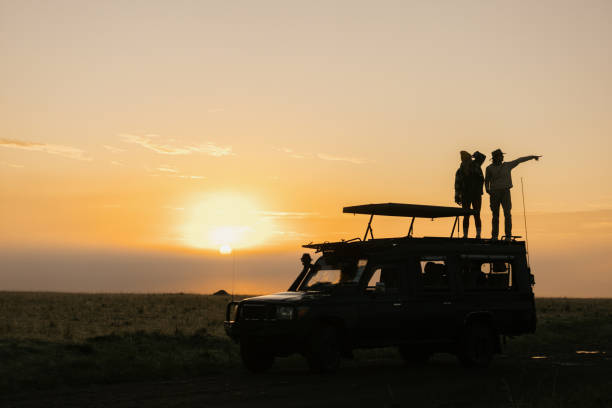
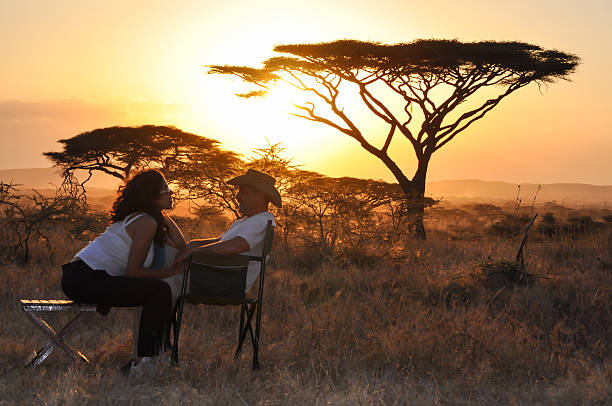
Going on a safari in Tanzania is an exciting experience, but packing the right items is essential for a comfortable and safe trip. Many first-time visitors make the mistake of overpacking or bringing the wrong clothes and gear. This guide provides a complete Tanzania safari packing list, organized by category, with detailed explanations on what to bring, why it matters, and tips to make your safari experience smooth and enjoyable. Following this guide will help you focus on wildlife and scenery instead of worrying about what you forgot or didn’t pack properly.
1. Clothing Essentials
Choosing the right clothing is the most important part of packing for a Tanzania safari. The goal is to stay comfortable, protect yourself from the sun and insects, and blend into the environment to avoid disturbing wildlife.
Neutral Colors
Stick to colors like beige, khaki, olive, or brown.
Avoid bright colors such as red, pink, or blue, which can attract insects or scare animals.
Neutral tones help you blend with the environment for better wildlife viewing.
Layered Clothing
Lightweight shirts and pants for daytime drives and walks.
Warm layers such as fleece jackets or pullovers for early morning and late evening drives, when temperatures can drop significantly.
Rain jacket if you travel during the green season (November–May) for occasional rain showers.
Comfortable Footwear
Closed-toe shoes or lightweight walking shoes for short walks or lodge areas.
Sandals or flip-flops for relaxing at camps or lodges.
Avoid heavy hiking boots unless you plan to do extended walking safaris.
Tip: Breathable, quick-drying fabrics are ideal to manage heat, sweat, and occasional rain.
2. Safari Accessories and Gear
These items help you enjoy your safari and capture memories without compromising safety or comfort.
Binoculars
Essential for spotting animals at a distance.
A 8×42 or 10×42 pair is ideal for most safari conditions.
Camera and Equipment
DSLR or mirrorless cameras with zoom lenses for wildlife photography.
Extra memory cards and batteries, as charging opportunities may be limited.
Tripod or monopod optional for stability.
Sunglasses and Hat
Wide-brimmed hats protect from the sun.
Polarized sunglasses reduce glare during game drives.
Sunscreen and Lip Balm
SPF 30+ sunscreen recommended.
Lip balm with SPF protects against sunburn on lips.
Insect Repellent
Mosquitoes and other insects can be common in some areas.
Choose repellent with DEET or natural alternatives, and consider wearing long sleeves in the evening.
3. Health and Safety Essentials
Medications
Malaria prophylaxis if recommended by your doctor.
Personal prescriptions in sufficient quantity for the duration of your trip.
Basic first aid kit with bandages, antiseptic wipes, and pain relief.
Water and Snacks
Reusable water bottle (hydration is critical during game drives).
Light snacks, such as nuts or energy bars, for long drives.
Travel Documents and Money
Passport and photocopies of important documents.
Travel insurance details.
Cash in local currency for tips, small purchases, and emergencies.
Credit/debit cards as backup, but cash is preferred in remote areas.
4. Lodge and Camp Essentials
Depending on your accommodation, consider the following items:
Flashlight or headlamp for walking around camps at night.
Travel-size toiletries (soap, shampoo, toothbrush, toothpaste).
Towels may be provided at lodges, but useful for camping.
Reusable shopping bag for laundry or small items.
Earplugs for noisy wildlife or early morning safari vehicles.
Tip: Soft-sided luggage is preferable because safari vehicles have limited storage space.
5. Optional but Recommended Items
Comfort and Convenience
Notebook or journal to record wildlife sightings.
Guidebooks or field guides to identify animals and birds.
Lightweight binocular strap or camera harness to reduce fatigue.
Electronics
Power banks for charging phones or cameras.
Universal travel adapter if your devices require different plug types.
Waterproof cases or bags to protect electronics during rain or dust storms.
Clothing Additions
Lightweight scarf or buff for dust protection during long drives.
Swimsuit if your lodge has a pool.
6. Packing Tips and Organization
Pack light but smart: Focus on items you will actually use during safari drives and lodge stays.
Use packing cubes or compression bags to organize clothing and gear.
Separate day bags from main luggage: Keep essential items like water, binoculars, sunscreen, and camera in an easy-access bag for daily drives.
Check luggage weight limits: Domestic flights between safari parks often have strict weight restrictions (around 15–20 kg per person).
7. Clothing Checklist (Summary)
| Item | Purpose |
|---|---|
| Neutral-colored shirts and pants | Wildlife viewing without attracting insects or animals |
| Lightweight jacket/fleece | Early morning and evening temperature drops |
| Rain jacket | Occasional rain during green season |
| Comfortable walking shoes | Short walks and lodge areas |
| Sandals | Relaxing at camp/lodge |
| Hat | Sun protection |
| Sunglasses | Reduce glare during drives |
8. Accessories and Gear Checklist (Summary)
| Item | Purpose |
|---|---|
| Binoculars | Spot wildlife from distance |
| Camera + extra batteries/memory | Capture wildlife and landscapes |
| Flashlight/headlamp | Night walks at camp |
| Travel adapter & power bank | Charge electronics |
| Sunscreen & lip balm | Protect against sunburn |
| Insect repellent | Prevent mosquito bites |
| Water bottle | Stay hydrated during long drives |
9. Health and Safety Checklist (Summary)
| Item | Purpose |
|---|---|
| Personal medications | Daily needs and emergencies |
| First aid kit | Cuts, scratches, minor injuries |
| Travel insurance & documents | Health and travel emergencies |
| Cash and cards | Tips, souvenirs, and emergencies |
| Snacks | Energy during long drives |
10. Final Tips for Packing for Tanzania Safari
Prioritize lightweight, breathable clothing to manage heat and humidity.
Avoid overpacking — safari vehicles have limited space.
Organize items by category (clothing, gear, health) to access quickly.
Plan for early mornings and cool evenings with warm layers.
Double-check your packing list before departure to ensure nothing essential is missing.
Packing correctly ensures that your safari is comfortable, safe, and fully focused on wildlife and nature. Being prepared reduces stress, so you can enjoy Tanzania’s incredible landscapes, animals, and culture without worry.
Conclusion
A Tanzania safari is a memorable experience, and packing properly is one of the keys to making it enjoyable. By bringing the right clothing, gear, health items, and accessories, you can focus on wildlife, scenery, and adventure. Use this complete packing list as your guide to ensure you are fully prepared for your first safari, whether it is in Serengeti, Ngorongoro, Tarangire, or Lake Manyara. Being well-prepared will make your safari smooth, safe, and unforgettable.